How to Tell Hail Damage from Wind Damage on Your Roof
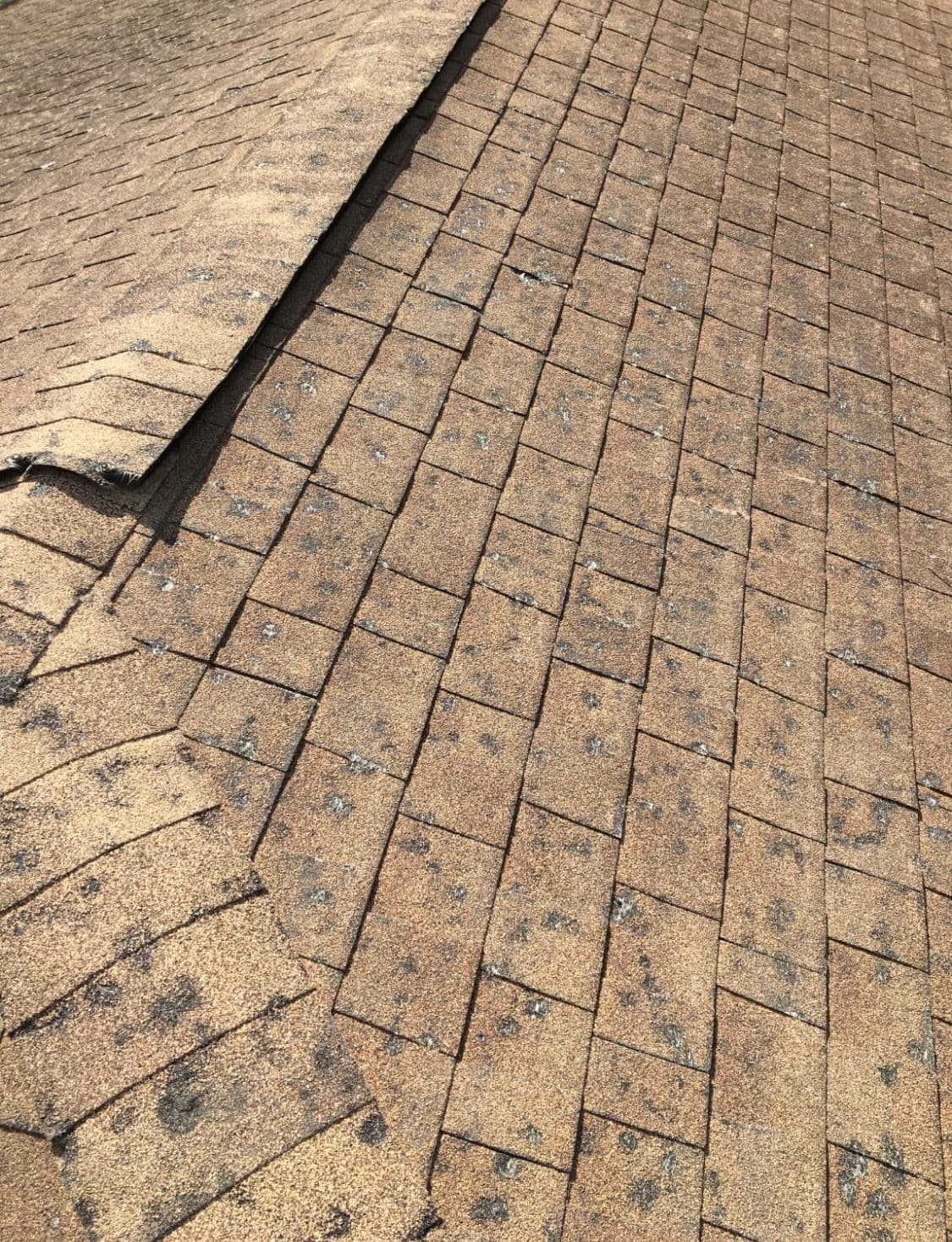
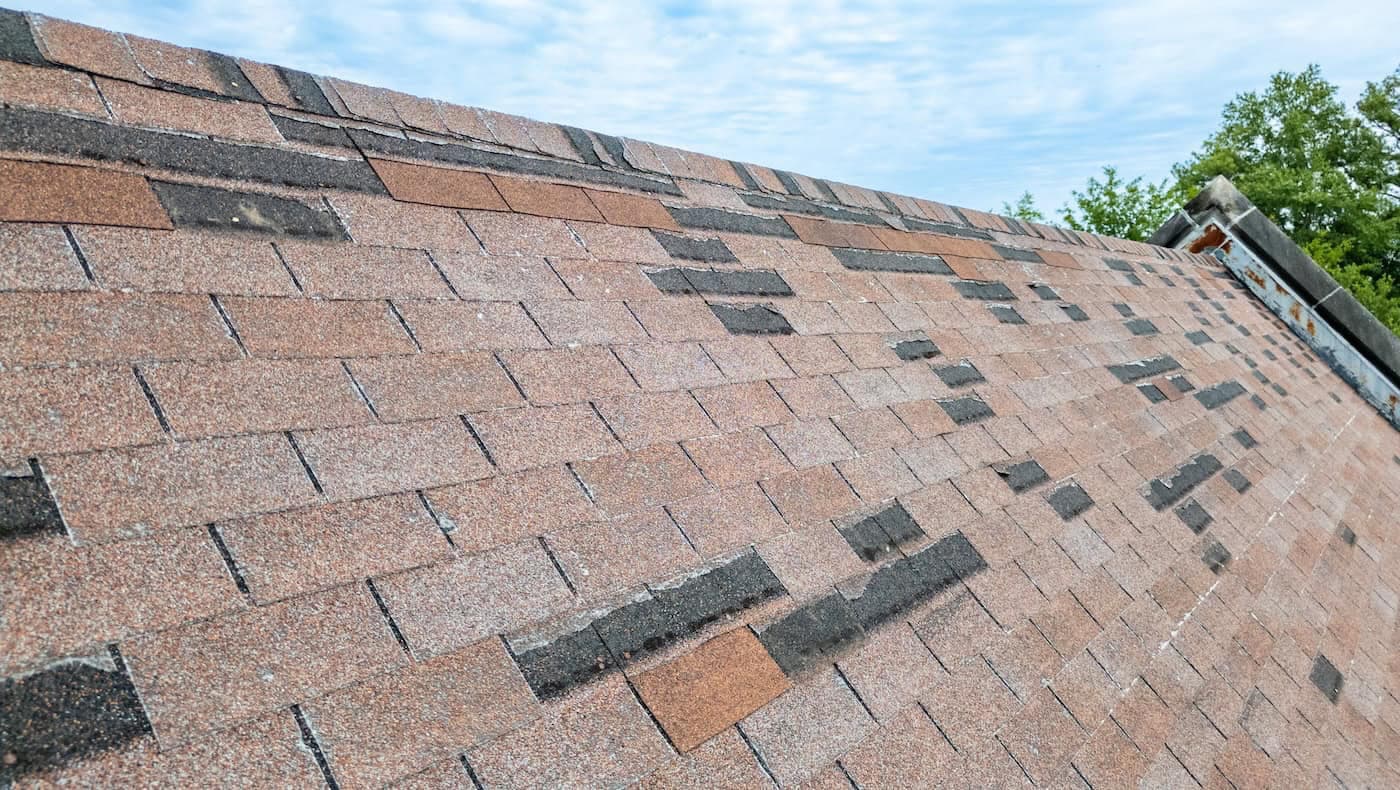
After a storm rolls through western North Dakota, one of the first questions homeowners ask is: did hail do that, or was it wind? It sounds simple, but the answer actually matters quite a bit - especially when it comes to filing an insurance claim or figuring out what kind of roof repair you need.
Hail damage has a pretty distinct look once you know what you're after. You'll see random, scattered dark spots across the shingles - those are impact bruises where hail knocked off the protective granules and exposed the black asphalt underneath. The pattern is almost random, which is actually the giveaway. It doesn't follow any particular direction. You might also find an unusual amount of dark, sand-like granules collecting in your gutters after a storm. That's granule loss, and it's a sign the shingles are compromised even if they look mostly intact from the ground.
Wind damage looks different. Instead of random bruising, you're dealing with tearing, lifting, and missing shingles - often concentrated along the edges, ridges, or whichever side of the roof took the brunt of the wind. Shingles may be creased horizontally, curled at the corners, or gone entirely. Sometimes you'll find them in the yard. The damage tends to follow a direction, which is the opposite of how hail behaves.
Here's something worth knowing: some damage is considered cosmetic by insurance adjusters, while other damage is functional - meaning it's actually letting water in or will soon. That distinction can affect your claim, so it pays to have a professional assess it rather than guessing. A qualified roofer can walk the roof safely, document everything properly, and help you understand exactly what you're dealing with before you ever call your insurance company.
If you're in the Beulah or Hazen area and a storm has come through recently, don't wait too long to get your roof checked. Many insurance policies have deadlines for filing storm damage claims. A ground-level look with binoculars is a good starting point, but a proper inspection - ideally with someone who handles roof repair and roof replacement in this region regularly - is the only way to know for sure what you're working with.